New Home Solar Panel Installation in Port St. Lucie
A residential solar installation is an electrical project first: a licensed electrician surveys your roof, designs the system, pulls the permits, wires the panels, and handles the FPL interconnection. Here's how we do it on the Treasure Coast.
- Licensed #ER13016161
- Permits & FPL interconnection handled
- We also service & repair solar systems
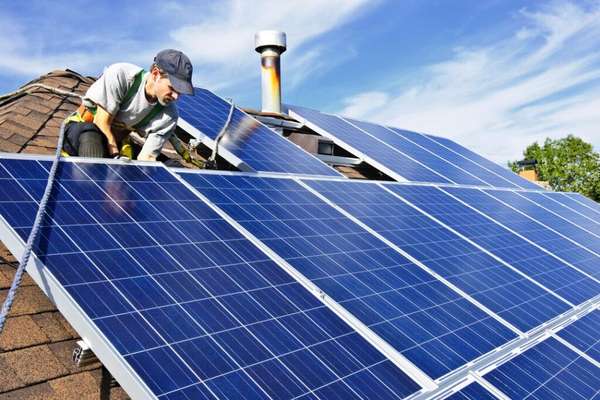
How Your Home Solar Install Is Planned
A proper solar installation starts long before anything touches your roof. Every home in Port St. Lucie is different — orientation, shade, and roof condition all shape the final design. Here's our planning sequence:
- Site and shade survey. We evaluate your roof's direction, pitch, and sun exposure, then map shade from trees, chimneys, dormers, and neighboring structures. On the Treasure Coast, even a palm tree canopy that moves with the afternoon sun can change where panels should go.
- Roof condition check. Panels live on your roof for decades, so the roof has to be ready for them. We check the roof's age, the decking condition, and how the existing structure will carry the mounting hardware. If the roof needs work first, we'll tell you before — not after — the installation begins.
- Panel layout and placement. Panels are placed to capture the most sun while staying clear of vents, skylights, and shaded zones, with proper spacing for maintenance and airflow underneath. Florida heat makes ventilation under the array more important than many homeowners expect — it protects both the panels and your roof.
- Electrical design. The array is wired back to an inverter and tied into your home's electrical system, with disconnects, overcurrent protection, and grounding sized to code. Your main panel is evaluated too — some homes need a panel upgrade before a solar system can be connected safely.
- Permits and approvals before work starts. The plan is submitted to the city for permitting and to FPL for interconnection approval. Nothing is installed until both the city and the utility have reviewed the design.
Panels and Inverters, Explained in Plain Terms
Solar installers throw around equipment terms that sound technical but come down to a few simple choices. Here's what the words actually mean for a homeowner.
The panels
Solar panels convert sunlight into direct current (DC) electricity. For a typical home, the practical differences between panels are their wattage, physical size, and how well they tolerate heat and partial shade. Bigger isn't automatically better — the right choice depends on how much usable roof space you have and how your local conditions affect output. What matters most is that the panels are installed on hurricane-rated mounting hardware anchored to your roof structure, not simply to the shingles.
The inverters: string vs. microinverters
String inverter
All your panels are wired together in a "string" that feeds one central inverter, which converts the DC power to the AC power your home uses. This is a well-proven, straightforward setup. The trade-off: if one panel is heavily shaded or underperforms, it can drag down the output of the whole string — so placement matters more with this design.
Microinverters
Each panel gets its own small inverter mounted behind it, converting power panel by panel. Shade or a problem on one panel doesn't affect the others, and you can see per-panel performance during monitoring. This can be a good fit for roofs with partial shade from trees or multiple roof faces — but it puts more equipment on the roof and adds more points to inspect over the years.
Neither option is universally "better." The right inverter design follows from your shade survey, your roof layout, and how you want to monitor the system. We'll walk you through both and recommend the one that fits your home — with no brand endorsements, because we're not affiliated with any manufacturer.
Permits and FPL Interconnection
A home solar system in Port St. Lucie doesn't get installed and flipped on in one afternoon. Two separate approval tracks run in parallel with the work:
- City electrical permit. We submit the system design, equipment specifications, and structural mounting details to the city for a building/electrical permit. Florida building code — especially the high-velocity hurricane zone wind requirements — sets strict standards for how solar mounting is anchored. The city reviews all of this before issuing the permit.
- FPL interconnection application. Because your system connects to the utility grid, FPL reviews and approves the interconnection. This involves an application, review of the system size relative to your service, and eventually their sign-off. We prepare the paperwork and coordinate with the utility on your behalf.
- Installation under permit. The physical work is done under the issued permit, following the approved design and Florida Electrical Code requirements for grounding, disconnects, and labeling.
- Inspections. The city inspects the installation — typically the electrical work and the mounting — before giving final approval. Some jurisdictions require multiple inspections at different stages.
- FPL meter exchange and permission to operate. After the city signs off, FPL completes its side: swapping or reprogramming the meter to handle two-way power flow and issuing final permission to operate. Your system isn't officially live until that step is done.
We handle the permit applications, the utility coordination, and the inspection scheduling. You just need to be home for the inspection appointments — we handle the rest.
What Install Day Looks Like
Most residential installations are completed in one to three days of on-site work, depending on system size and roof complexity:
- Racking goes up first. Mounting rails are anchored through the roof surface into the structure below, with waterproof flashing at every penetration. This is the most critical weatherproofing step of the whole job.
- Panels are set and wired. Panels are secured to the rails and wired together in strings, with conduit run from the array down to the inverter location — usually near your main electrical panel.
- Inverter and electrical tie-in. The inverter is mounted, AC and DC disconnects are installed, and the system is tied into your home's electrical panel through new breakers sized for the system.
- Testing and commissioning. Every string is tested, grounding is verified, monitoring is set up so you can see system performance, and the array is left in a safe standby state until FPL gives final permission to operate.
We Also Service and Repair Solar Systems
Installation isn't our only solar work. We service and repair existing solar systems too — troubleshooting underperforming arrays, replacing failed inverters, diagnosing connection and wiring problems, and handling storm-related damage. If your current system isn't producing what it should, call (561) 552-3753 and we'll take a look.
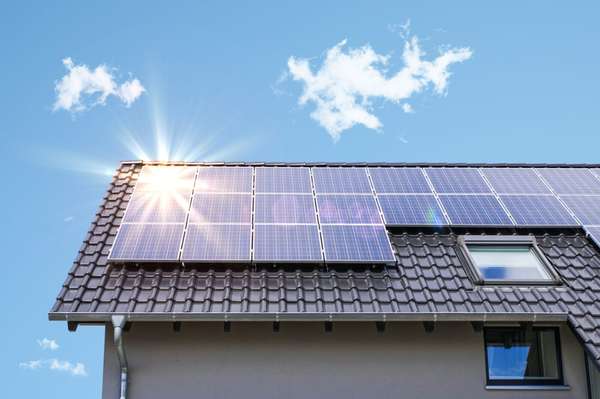
Panels are anchored through the roof into the structure, with flashing at every penetration.
Frequently Asked Questions
Do I need a permit for solar panels in Port St. Lucie?
Yes. Residential solar installations require a city building/electrical permit, and the mounting must meet Florida's hurricane wind-load requirements. We prepare and submit the permit application as part of the project.
How long does the whole process take?
The on-roof work usually takes one to three days. The full timeline is driven mostly by the permit and FPL interconnection reviews, which can take several weeks each. We keep the project moving by submitting paperwork early and scheduling inspections as soon as work stages are complete.
Is my roof suitable for solar?
Most asphalt shingle, tile, and metal roofs can carry a solar array if they're in good condition and have adequate sun exposure. South- and west-facing roof planes are ideal in Florida. During the survey we check roof age, structure, and shading — and we'll tell you honestly if your roof needs work first.
Will my panels power my home during an outage?
Not by default. A standard grid-tied solar system shuts down automatically during a utility outage — this is a required safety feature so the system doesn't backfeed power onto lines that utility crews may be working on. Keeping power during an outage requires battery backup equipment designed for that purpose. We can discuss that option during planning.
What maintenance does a solar system need?
Very little. Panels need no fuel and have no moving parts; periodic visual checks, keeping debris off the array, and monitoring system performance for drops are the main tasks. Florida's heat, salt air, and hurricane season make it worth having the electrical connections and mounting checked periodically.
Do you repair solar systems you didn't install?
Yes. We service and repair existing residential solar systems — including troubleshooting underperforming arrays, inverter replacements, wiring and connection repairs, and storm damage. Call (561) 552-3753 to describe the problem.
Will the installation damage my roof?
No — when done correctly. Every roof penetration for the mounting hardware is flashed and sealed against water, and the racking is anchored into the structure, not just the roofing material. Proper flashing is one of the most important parts of the installation, and it's inspected by the city.
Areas We Serve
We install and service home solar systems in these Treasure Coast communities:
- Port St. Lucie
- Fort Pierce
- Stuart
- Jensen Beach
- Palm City
Who You're Calling
- Company
- Florida Electrical and Fire Alarm LLC — the licensed company behind this site
- License
- Florida Electrical License #ER13016161
- Phone
- (561) 552-3753
- services.floridaelectrical@gmail.com
- Hours
- Monday–Saturday, 8 a.m.–5 p.m.; 24/7 emergency service
- Service area
- Port St. Lucie, Fort Pierce, Stuart, Jensen Beach & Palm City (service-area business — no walk-in location)
Request an Estimate
Tell us about your home and we'll schedule a site survey. For immediate questions, call (561) 552-3753.